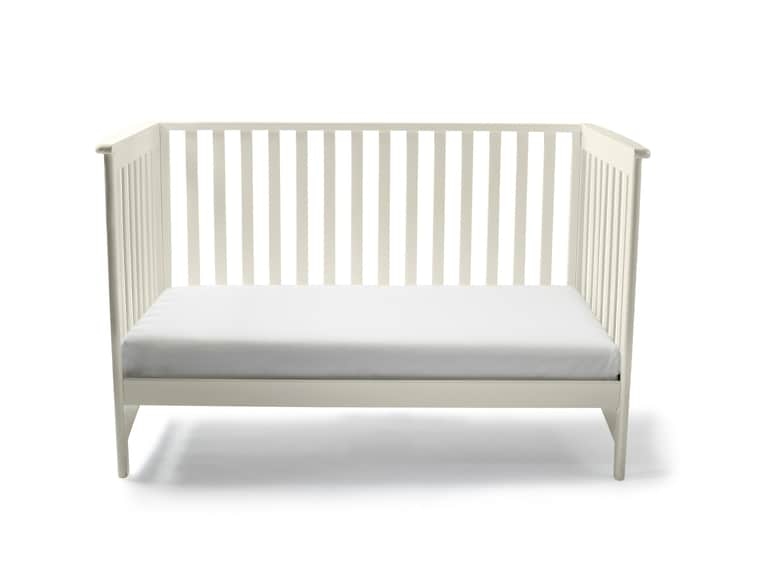
A nursery sleep environment brings together a supportive infant mattress, fitted sheets, breathable bedding, and appropriately sized pillows for older children when suitable. Understanding how these items fit the crib and meet an infant’s needs helps caregivers create a consistent sleep space. Mattress dimensions, firmness, surface care, and bedding fit are important considerations.
Organic crib mattresses are designed with materials such as organic cotton, which may be used in the mattress cover or other components. Product construction varies, so material descriptions and care instructions should be reviewed individually. A firm, flat sleep surface and a correctly fitted crib mattress are central features of an infant sleep setup.
The Naturepedic Lightweight Organic Cotton Crib Mattress is a nursery mattress option identified by its lightweight design and organic cotton materials. Lower weight can make routine lifting and handling more manageable during sheet changes or mattress care. Its organic cotton construction makes it relevant to families researching natural-material bedding and organic mattresses for a crib.
Crib sheets should fit the mattress snugly, without loose fabric, while bedding selections should follow current safe-sleep guidance. Pillows, quilts, and soft accessories are generally not intended for an infant’s sleep space. Care labels also matter: cleaning methods and compatible sheets can help preserve the mattress surface and maintain a practical nursery routine.
When comparing nursery bedding, consider mattress fit, firmness, material composition, weight, and maintenance requirements together. Organic mattresses and organic crib mattresses describe material-focused product categories, but their specifications can differ by model. Checking the manufacturer’s documentation helps clarify construction and care, while well-fitted sheets support a neat, functional crib environment.
 Nursery