Pillows are a fundamental component of a sleep setup, serving to support the head, neck, and spine alignment while accommodating different sleeping positions. This category highlights variations in fill materials, loft, and firmness which influence comfort, pressure relief, and stability during rest. Understanding how pillow design interacts with posture helps optimize overall sleep quality and daytime function.
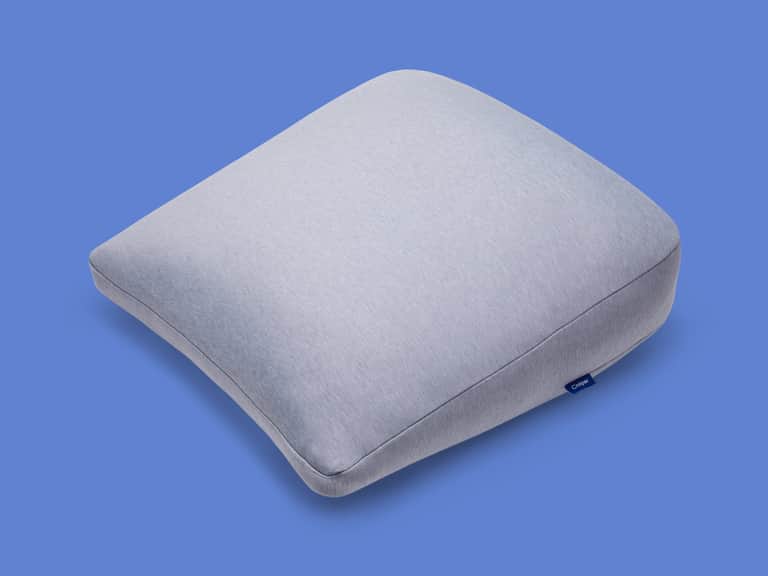
Backrest pillows are designed to provide elevated, supportive contours that promote upright posture for reading, lounging, or limited mobility activities. Key features include contoured memory foam or supportive fill, adjustable height, and ergonomic shapes that distribute weight evenly and reduce strain on the upper back and neck.
When evaluating backrest pillow options, consider material composition, breathability, and cleaning practicality. Natural or synthetic fills impact loft retention and temperature regulation, while hypoallergenic covers can improve hygiene. Wipe-clean or removable covers simplify maintenance, contributing to long-term usability in varied indoor environments.
Ergonomic design considerations emphasize alignment: a well-chosen backrest pillow maintains spinal curvature, supports the cervical region, and minimizes pressure points. Compatibility with seating surfaces, armrest clearance, and removable covers for washing are important structural details that influence daily comfort and durability.
In the broader bedding ecosystem, pillows interact with sheets, organic mattresses, and latex components to form a cohesive sleep system. Knowledge of fill types, firmness gradients, and support geometry helps users select pillows that complement existing bedding, reduce allergy risks, and sustain overall restfulness across different seasons.
 Bedding