 Mattresses
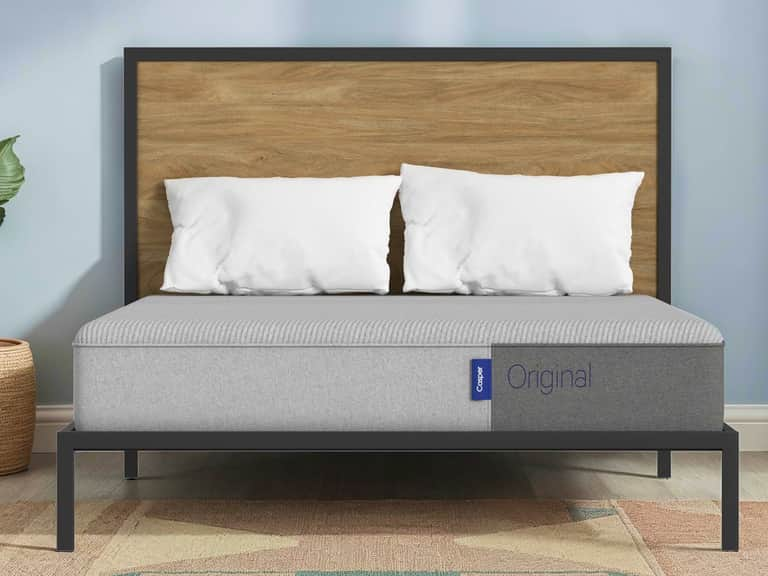
Original Mattress
Sleep cooler and more comfortable with breathable Casper Signature Foam, body-conforming memory foam, and three-zone Zoned Support that keeps your spine aligned and cushions every move.
Foam mattresses are engineered to balance comfort and support through viscoelastic and polyurethane foams that adapt to body contours. This category highlights different foam compositions, including memory foam and polyfoam, which can relieve pressure points while maintaining spinal alignment. Understanding density, firmness levels, and breathability helps identify suitable options for varying sleeping styles and preferences.
Original Mattress emphasizes durability, conforming support, and temperature regulation, often featuring high-density foam layers and a breathable cover. Its construction aims to provide long-term comfort with consistent performance, reducing motion transfer for undisturbed sleep. Key benefits include reliable support, ease of maintenance, and compatibility with standard bed foundations.
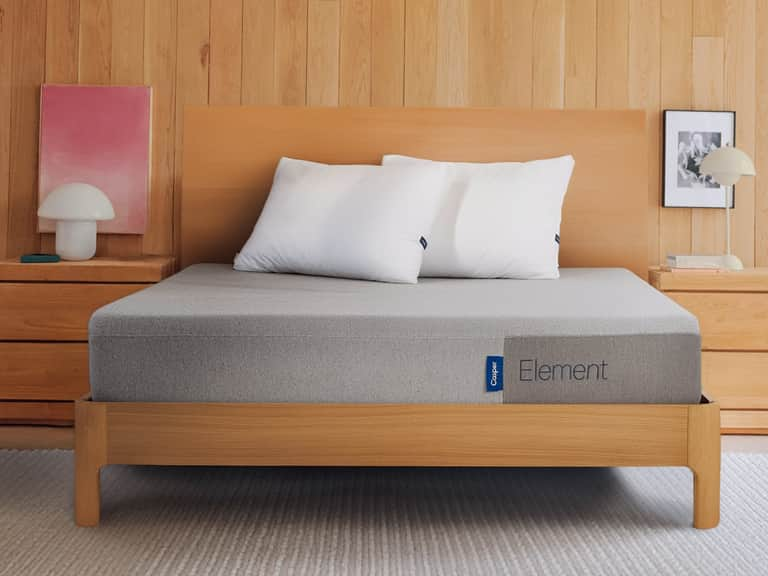
Element Mattress focuses on a balanced feel, combining responsive foam with zoned layers that target pressure relief in critical areas. This design can support different sleeping positions, from back to side, while maintaining an even weight distribution. Its emphasis on cooling properties and gradual compression enhances comfort across varying nightly needs.
When evaluating foam mattresses, consider features such as open-cell structure for airflow, graphite or gel-infused foams for temperature management, and trial periods that help assess long-term comfort. Compatibility with organic bedding and latex components may influence overall sleep quality, especially for sleepers with sensitivity to materials.
Overall, foam mattresses in this category showcase a range of firmness, support, and airflow strategies to suit diverse preferences. By examining product specifications—density, thickness, cover material, and responsiveness—learners can relate how each model supports spinal alignment, pressure distribution, and motion isolation for restful, restorative sleep.
Mattresses
 Mattresses